Website and app design services
Website Design and App Development
Pixerize builds custom websites and web applications that rank on Google, load under 2.0 seconds, and convert visitors into clients. No templates. No shortcuts. Just clean, scalable code and interfaces built around how your users actually think.
Pixerize
Digital Agency
Hello there. Let's chat!
Pixerize
Digital Agency
Hello there. Let's chat!
Pixerize
Digital Agency
Create. Capture. Curate.
Since 2016, we exist to tell stories...
Pixerize
Digital Agency
Simple, committed and efficient.
Pixerize
Digital Agency
Create. Capture. Curate.
Since 2016, we exist to tell stories...
Pixerize
Digital Agency
Hello there. Let's chat!
Simple, committed and efficient.
We produce content that cuts through the crowded digital space...
Simple, committed and efficient.
We produce content that cuts through...
Website Design and Development
Drawing inspiration from different mediums, trends and audiences, we design thoughtful, creative websites that help brands put their best digital foot forwards, and then engineer them for speed, classic SEO, and AI-powered search (AEO/GEO), so visibility is built in from day one.
How long does it take to build a new website?
Custom websites typically go from kick-off to launch in 4 to 8 weeks. Scope, integrations, and how fast content lands on our desk all play a role. Simple sites move fast. Complex builds take the time they deserve. You’ll get a clear timeline before we start, and consistent updates throughout, so you’re never left guessing.
How much does a new website cost?
Custom website projects typically start from €1,500 / $1800 for a focused site and scale up depending on pages, features, integrations, and design complexity. You’ll receive a full proposal before any commitment.
If budget is tight, we’ll tell you what’s realistic, not just what you want to hear.
Each website Pixerize builds includes:
- Digital Strategy
- UI/UX Design
- Full-Stack Web Development
- Content Entry & Migration
- Technical SEO & AI Search Optimization
- Editor Guidelines
- Full Ownership Upon Completion
- Free 2 Weeks Post-Launch Support
- Ongoing Support available as a separate package
Will my website be optimized for SEO, AI and mobile?
Always. Every site we build is fully responsive, tested across devices, and engineered for speed — because slow sites lose rankings and visitors. On the SEO side, we cover site architecture, schema markup, Core Web Vitals, and on-page optimization.
We also structure content for AI search visibility (AEO/GEO), so your site surfaces in AI-generated answers, not just traditional search results.
What happens after my website launches?
Two weeks of free post-launch support are included in every project — bug fixes, tweaks, and questions covered. After that, our Ongoing Support plans keep your site updated, monitored, backed up, and performing. You’ll never be handed a finished site and left to figure it out alone.
Do you do custom design and development
No templates, no shortcuts. Every project is hand-designed to your exact requirements. Templates look like templates: generic, usually slow, and impossible to scale. Custom design and code means your site loads faster, ranks better, and actually does what your business needs it to do.
Can you redesign an existing website?
Yes, and it’s one of the most impactful investments you can make. If your current site is slow, outdated, or not converting, we audit what’s there, keep what works, and rebuild what doesn’t. No starting from zero unless that’s the right call.


App Design and Development
Great apps aren’t built by accident. We design and develop custom applications; from early-stage MVPs to complex platforms with interfaces that feel effortless and code that scales without breaking. You bring the vision; we bring the technical execution.
Do you build native apps or web apps?
We specialise in web apps, and progressive web apps (PWAs) — fast, cross-platform applications that work on any device without needing an app store. For projects that genuinely require native iOS or Android development, we’ll be upfront about that and scope it accordingly. Most early-stage products and MVPs are better served as web apps.
I have an idea but no technical spec, can you still help?
Absolutely. Most clients come with an idea, not a spec sheet. We start with a discovery session to map your goals, users, and core functionality, then translate that into a clear product roadmap before a single line of code is written. You stay in control of the direction; we handle the technical complexity.
How do you approach UX and UI for apps?
We design around how your users actually think and behave, not around what looks impressive in a portfolio. Every interface is prototyped and reviewed before development begins.
We focus on clarity, speed, and reducing friction at every step so users complete actions without needing a tutorial.
How long does it take to build an app?
A focused MVP typically takes 8 to 16 weeks depending on feature complexity and integrations. More complex platforms take longer. We build iteratively, so you’ll have a working product to review and test well before the full launch.
E-commerce
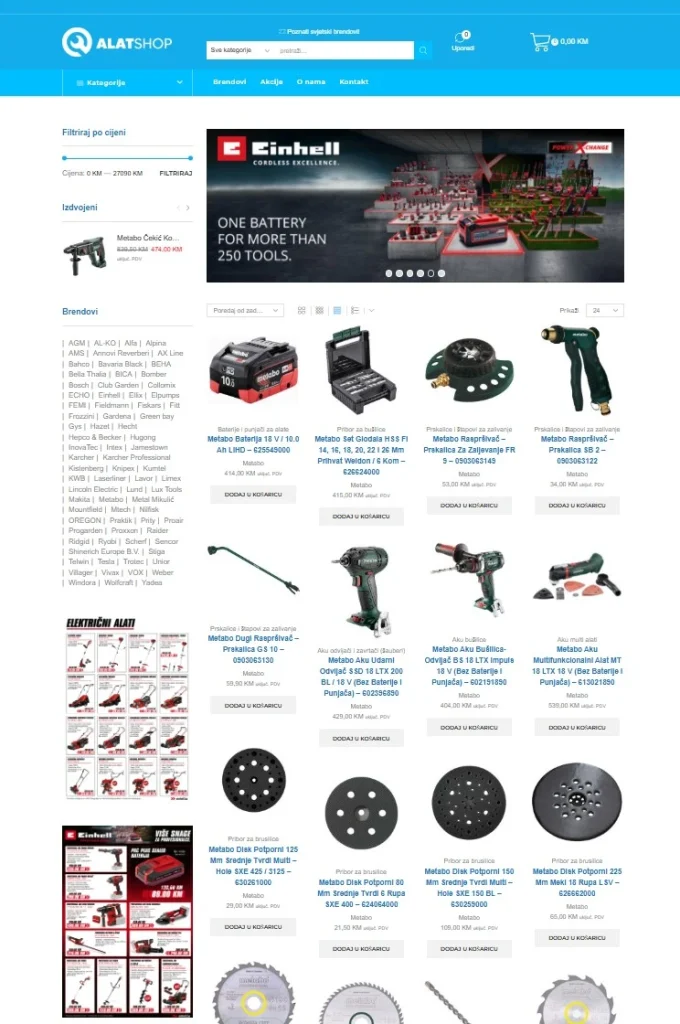
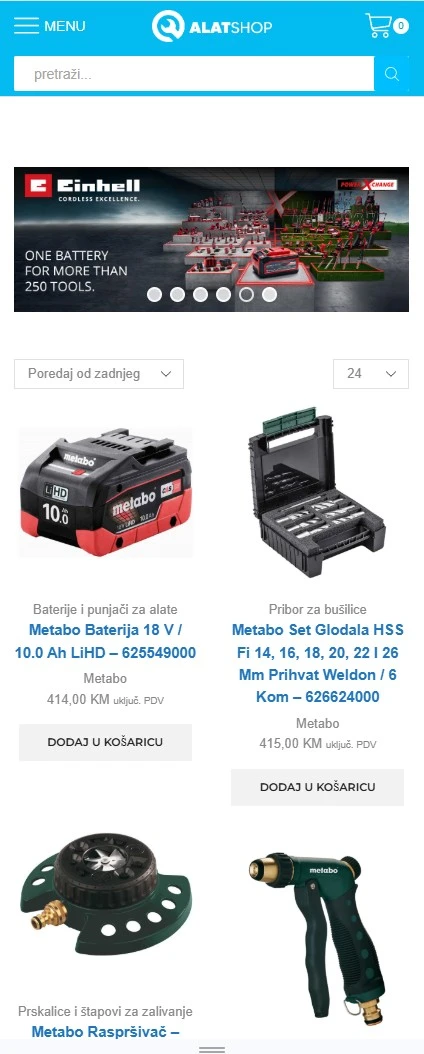
We build e-commerce websites that are fast, conversion-optimized, and built to scale. Whether you’re launching your first store or migrating to a better platform, we handle the full setup so every product page, checkout flow, and payment integration works exactly as it should.
From custom WooCommerce builds to headless solutions, your store gets a storefront that earns trust, reduces friction, and turns browsers into buyers.
Your online store should sell while you sleep.
Which platform to choose? WooCommerce or Shopify?
It depends on your business model. WooCommerce gives you full ownership, SEO control, and flexibility. Shopify is faster to set up and easier day-to-day but has higher ongoing fees and less flexibility. We’ll recommend the right platform after understanding your catalogue, traffic, and growth plans.
Can you migrate my existing store without losing data or rankings?
Yes. We handle full e-commerce migrations including products, customer data, order history, and SEO redirects. Preserving your search rankings requires careful redirect mapping so you don’t lose traffic you’ve already earned.
Will my online store be optimised for search engines?
E-commerce SEO is built into every store we build. Optimised product page structure, schema markup for rich results, fast load times, clean URL architecture, and category page optimisation. Product pages that rank well drive consistent organic revenue, we treat SEO as a core feature, not an afterthought.
Can you build custom product configurators or complex checkout flows?
Absolutely. Custom product options, configurators, multi-step checkouts, subscription models, and B2B pricing structures are all within scope. If your requirements go beyond what off-the-shelf plugins handle, we build the custom solution.
Do you provide support after the store launches?
Yes, do offer on going support for each build. Plugin updates, security patches, performance optimisation, and conversion tweaks all make a real difference to revenue over time. Our maintenance plans cover all of it. You focus on selling; we keep the engine running.
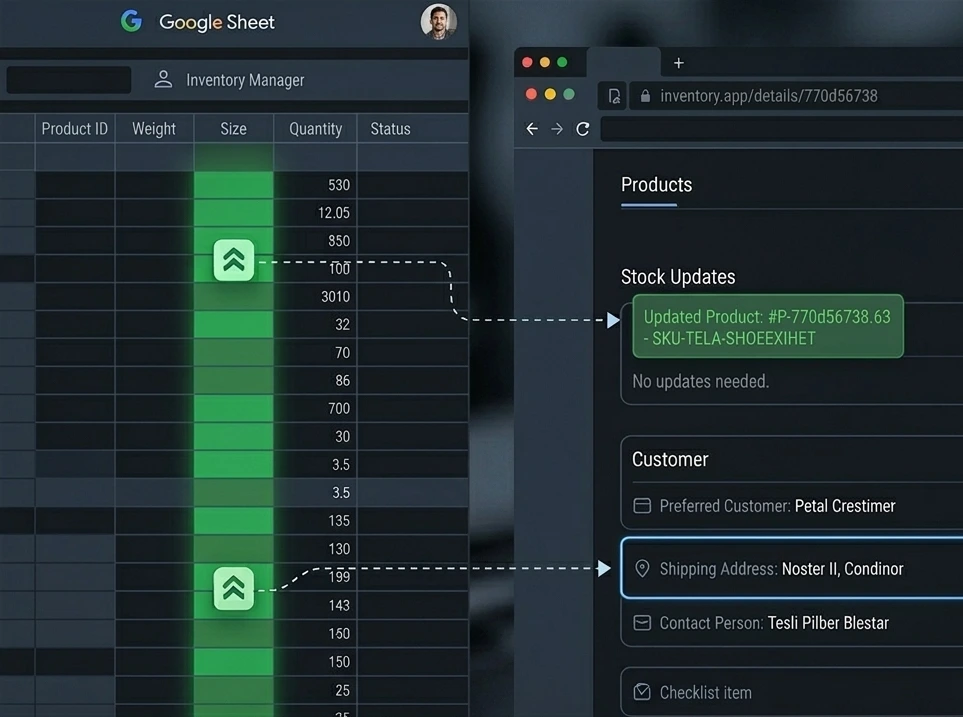
Automations
We identify, design, and build automations that connect your tools, streamline your workflows, and free up the time you’re currently losing to copy-paste busywork.
Stop doing manually what a machine can do for you, every hour your team spends on repetitive tasks is an hour not spent growing your business.
What kinds of tasks can actually be automated?
More than most business owners realise. Lead capture, bulk emails, client onboarding, invoice generation, booking confirmations, CRM updates, reporting, and content publishing are all common candidates. If your team does the same task more than a few times a week, there’s a good chance it can be automated, give a call.
What tools do you use for automations?
We work with different tools, some that stand out are Zapier and n8n. Depending on what best suits your stack and budget, we can also create custom API integrations. We’re platform-agnostic; we recommend the tool that fits your needs, not the one we have a referral deal on.
Do I need a developer to maintain automations after they're built?
Not usually. Most automations we build can be monitored and adjusted by a non-technical team member, we design them to be transparent and easy to understand.
I have no idea where to start or what to automate. Help?
You do not need a plan, just a problem. Tell us what eats up most of your time and we will map out what can be automated, optimized, and handed off to a system that runs without you.
Can you share an example?
Client: Can you show data on website from Google Sheets, generated from our custom software?
Pixerize: Excellent idea, and yes we can, let’s connect your Google Sheet with your website.
WordPress
At Pixerize, we specialize in building custom-designed WordPress solutions with clean, scalable code and a content editing experience your team will genuinely enjoy.
As the engine powering over 40% of the web, WordPress remains the world’s most versatile CMS and we harness that power to create high performing digital experiences trusted by brands of all sizes.
Why WordPress?
WordPress powers over 40% of the web including major media outlets, enterprise platforms, and e-commerce stores processing millions in revenue.
When built right it’s one of the fastest, easy to maintain and most scalable CMS platforms available.
Do you use WordPress themes?
No. Every WordPress site we build is custom designed for your specific needs, and custom coded. Themes carry unnecessary bloat, styling conflicts, and security vulnerabilities, plus and they look like everyone else’s site.
We build clean, lightweight WordPress environments using only what your project actually needs.
Will I be able to update my own content after launch?
Yes. We configure intuitive content editing experience so you can update pages, blog posts, team members, and more without touching code. We also include a handover walkthrough so you’re confident using your site from day one.
Is WordPress secure? I've heard it gets hacked a lot.
The majority of WordPress hacks happen because of outdated plugins, weak passwords, and poorly configured hosting, WordPress itself.
We harden every site we build: minimal plugin footprint, security headers, automatic updates, and VPS hosting with proactive monitoring.



Webflow
We recommend Webflow for websites that are heavy on animations and do not require overly complex builds or deep custom functionality. It is the platform of choice when visual storytelling and smooth interactions.
WordPress vs Webflow
Webflow works brilliantly for marketing-heavy sites, landing pages, brand sites, and visually driven builds where animations, interactions, and design precision are the priority.
We recommend it when the project does not require deep custom functionality, complex integrations, or a large plugin ecosystem where WordPress is a clear winner.
Can I manage my own Webflow content after launch?
Yes, Webflow’s CMS is one of its biggest strengths. Blog posts, team pages, case studies, product listings, all manageable without touching design or code. We configure your CMS collections so adding and editing content is straightforward, and we walk you through everything before handover.
Does Webflow have SEO limitations?
Webflow has strong SEO fundamentals, clean code output, fast CDN hosting, full control over meta tags, Open Graph, and schema. The main limitation is a CMS record cap on lower plans, which can constrain very large content sites. For most marketing sites and growing businesses, it performs extremely well in search.
Can you migrate an existing site to Webflow?
Yes. We migrate content, rebuild design systems, and map all redirects to protect your existing search rankings. Migrations to Webflow work particularly well when moving from a slow, overcomplicated WordPress theme setup and you want a leaner, faster alternative without sacrificing editorial control.
What are Webflow's limitations I should know about?
Webflow is not ideal for complex backend logic, custom user authentication, large e-commerce catalogues, or deep API integrations requiring server-side code. It also has monthly subscription costs that increase with traffic and CMS usage. We’ll tell you upfront if your project is pushing against Webflow’s limits.
Shopify
Why Shopify? We recommend Shopify if you want an easy day-to-day management experience, a fully hosted solution with no server responsibilities, and a fast path to start selling. We design and develop custom Shopify stores, optimised for speed and SEO, and built around how your customers shop rather than how Shopify’s default templates assume they do.
Is Shopify good for SEO?
Shopify has solid SEO foundations, fast hosting on a global CDN, automatic sitemap generation, and clean URL structures out of the box. Its main SEO limitations are less flexibility over URL structure (some slugs are fixed), and fewer options for advanced schema customisation compared to WordPress.
Do you use custom Shopify themes or use existing ones?
Both, depending on what your project budget and needs. For stores that need a truly unique look and maximum performance, we build custom Shopify themes from scratch. For projects where speed to market is the priority, we take a premium theme and customise it extensively so it looks and performs nothing like the out-of-the-box version. Either way, you’re not getting a store that looks like every other Shopify site on the internet.
Can you migrate my existing store to Shopify?
Yes. We handle full store migrations to Shopify, products, collections, customer data, order history, and blog content, along with a complete URL redirect map to protect your existing search rankings. Migrations are tested thoroughly in a development store before going live, so your customers never experience a broken or incomplete store during the switch.
How much does a custom Shopify store cost?
Custom Shopify projects typically start from €4,000 / $4,700 for a focused store with a customised theme, and scale up depending on the number of products, custom functionality, integrations, and design complexity. Note that Shopify also charges a monthly subscription fee starting from around $39/month — we factor that into the full cost picture when making platform recommendations. You’ll receive a full proposal before any commitment.